Healthcare is one of the fastest-growing industries in India. With hospitals expanding rapidly and medical technology advancing every year, the demand for trained professionals has increased significantly. This is where clinical paramedical courses play a crucial role. These programs prepare students to work alongside doctors, nurses, and healthcare specialists by providing diagnostic, technical, and therapeutic support.
Students who want a career in the medical field but do not necessarily want to pursue MBBS often choose paramedical programs. These courses focus on practical skills and hospital-based training, making them a strong career option after 10th or 12th.
In this guide, you will explore the most popular paramedical programs, eligibility criteria, duration, salary potential, and future career opportunities.
Why Students Are Choosing Paramedical Programs Today
The healthcare industry has changed dramatically in the past decade. Hospitals are no longer run only by doctors and nurses. A modern hospital requires a large team of trained professionals including lab technicians, radiology technicians, dialysis technicians, and emergency care specialists.
Here are some reasons why paramedical education is becoming popular:
High demand in hospitals
Hospitals, diagnostic labs, and clinics constantly need skilled healthcare technicians.
Shorter course duration
Most programs can be completed in 1–3 years.
Affordable education
Compared to MBBS or BDS programs, these courses are much more affordable.
Early career start
Students can start earning earlier because the training period is shorter.
Multiple specialization options
There are many career paths depending on your interests.
Because of these advantages, thousands of students enroll in clinical paramedical courses every year.
Top Paramedical Programs Students Can Choose
Below are some of the most in-demand programs in the healthcare sector.
Diploma in Medical Laboratory Technology (DMLT)

This program trains students to perform medical laboratory tests that help doctors diagnose diseases. Students learn about blood testing, pathology, microbiology, and lab equipment.
Duration: 2 years
Career Roles:
- Lab technician
- Pathology technician
- Laboratory assistant
Diploma in Operation Theatre Technology
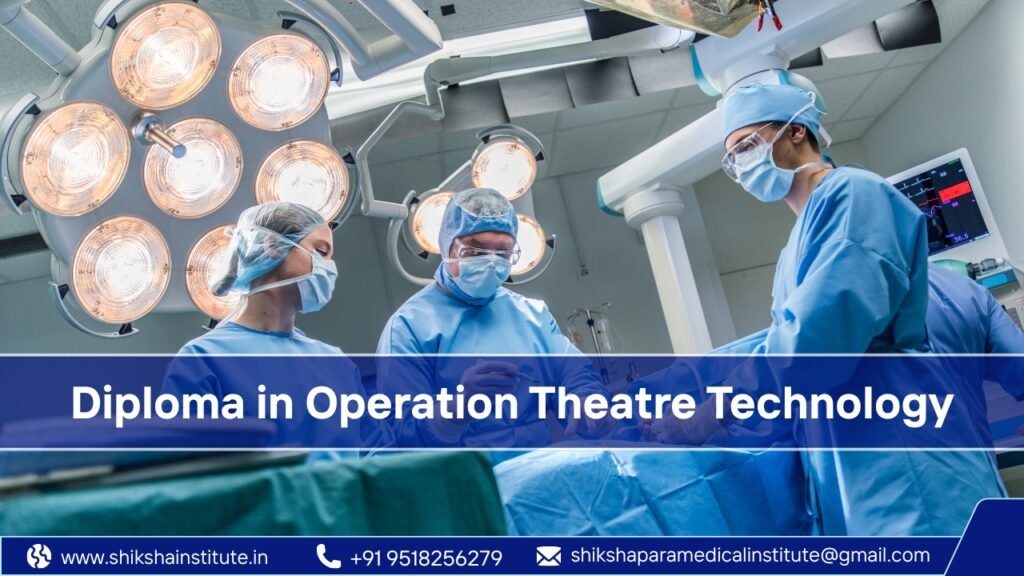
Operation theatre technicians assist surgeons and nurses during surgical procedures. They manage surgical instruments, sterilization, and operation theatre equipment.
Duration: 2 years
Career Roles:
- OT technician
- Surgical assistant
- Operation theatre assistant
Diploma in Radiology and Imaging Technology
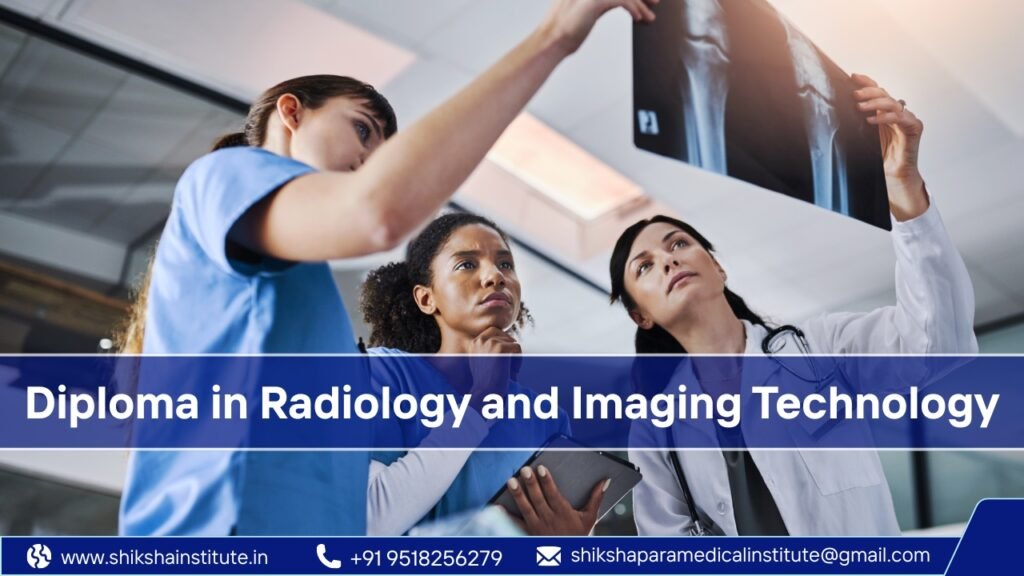
Radiology technicians operate imaging equipment such as X-ray, CT scan, and MRI machines.
Duration: 2 years
Career Opportunities:
- Radiology technician
- MRI technician
- CT scan technician
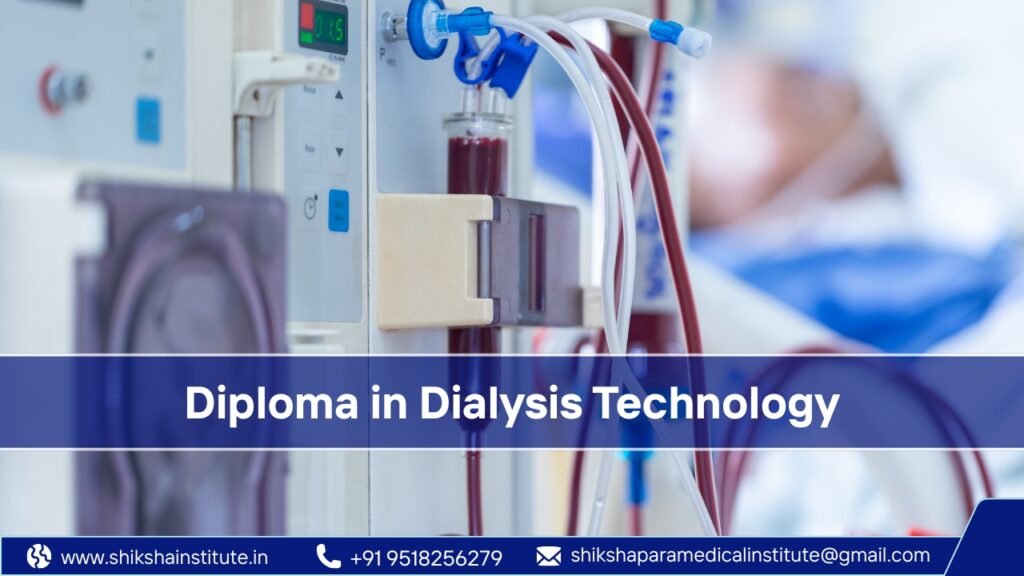
Diploma in Dialysis Technology
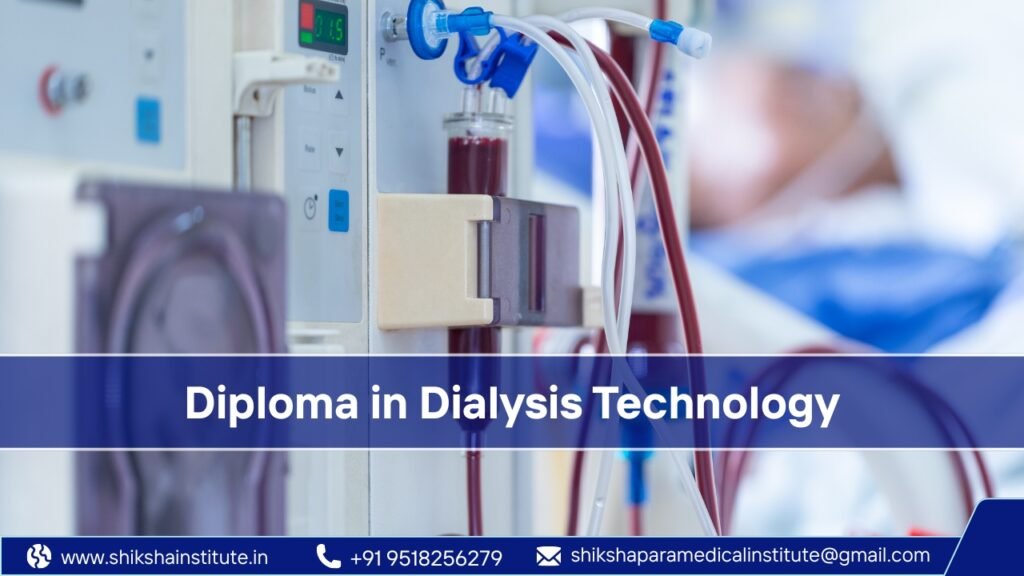
Dialysis technicians help patients suffering from kidney failure by operating dialysis machines and monitoring treatment procedures.
Duration: 2 years
Career Roles
- Dialysis technician
- Renal care technician
Diploma in Emergency Medical Technology
Emergency technicians provide immediate medical support in critical situations such as accidents, trauma, or cardiac emergencies.
Duration: 1–2 years
Career Opportunities
- Ambulance technician
- Emergency medical technician
- Trauma care assistant
Eligibility Criteria for Paramedical Programs
The eligibility requirements vary depending on the course and institute. However, the basic criteria are usually:
Education qualification
Students must pass 10th or 12th grade from a recognized board.
Stream requirement
Some programs prefer science background (Physics, Chemistry, Biology).
Minimum marks
Most institutes require 40–50% marks in qualifying exams.
Age limit
Usually between 17 and 35 years.
Students who meet these requirements can apply to various institutes offering clinical paramedical courses across India.
Duration and Fee Structure
One of the biggest advantages of paramedical education is the shorter duration.
Typical course durations include:
| Course Type | Duration |
|---|---|
| Certificate | 6 months – 1 year |
| Diploma | 1 – 2 years |
| Advanced Diploma | 2 – 3 years |
| Degree Programs | 3 – 4 years |
Fees vary depending on the institute and facilities.
Average fee range:
- Government institutes: ₹20,000 – ₹80,000 per year
- Private institutes: ₹60,000 – ₹1,50,000 per year
Because these programs focus heavily on practical training, students often gain valuable hospital experience during internships.
Skills Required for a Successful Career
Students pursuing paramedical education must develop several professional skills to succeed in the healthcare field.
Important skills include:
Attention to detail
Medical tests and procedures require high accuracy.
Technical knowledge
Students must learn to operate complex medical equipment.
Communication skills
Technicians interact with doctors, nurses, and patients regularly.
Problem-solving ability
Medical situations often require quick decisions.
Emotional stability
Healthcare professionals sometimes work in stressful environments.
These skills help graduates of clinical paramedical courses perform their roles effectively.
Career Opportunities in Healthcare
The healthcare industry offers a wide range of job opportunities for trained technicians.
Common workplaces include:
Hospitals
Diagnostic laboratories
Private clinics
Blood banks
Research laboratories
Rehabilitation centers
With experience, professionals can also work as:
- Healthcare supervisors
- Laboratory managers
- Medical equipment specialists
- Clinical trainers
Many graduates of clinical paramedical courses also choose to pursue higher education to specialize further.
Salary Expectations in India
Salary depends on experience, location, and specialization.
Average starting salaries:
| Job Role | Salary |
|---|---|
| Lab Technician | ₹15,000 – ₹30,000/month |
| Radiology Technician | ₹20,000 – ₹40,000/month |
| OT Technician | ₹18,000 – ₹35,000/month |
| Dialysis Technician | ₹20,000 – ₹40,000/month |
| Emergency Technician | ₹18,000 – ₹30,000/month |
After 3–5 years of experience, professionals can earn between ₹40,000 – ₹70,000 per month.
Senior technicians or supervisors may earn even higher salaries.
Future Scope in the Healthcare Industry
India’s healthcare sector is expected to grow significantly in the coming years. With increasing population, advanced medical technologies, and growing healthcare awareness, the need for trained technicians will continue to rise.
Some future trends include:
- Expansion of diagnostic centers
- Growth in medical tourism
- Increased demand for emergency care services
- Adoption of advanced medical technology
Because of these factors, the demand for trained professionals completing clinical paramedical courses is expected to grow steadily.
Choosing the Right Institute
Before enrolling in any program, students should carefully evaluate the institute.
Important factors include:
Hospital training partnerships
Practical training is essential.
Experienced faculty
Qualified instructors improve learning quality.
Modern laboratory facilities
Students must learn using updated equipment.
Internship opportunities
Hospital internships help build real-world experience.
Placement assistance
Institutes offering placement support help students start their careers faster.
Selecting the right institute can significantly impact career growth.
What are clinical paramedical courses?
Clinical paramedical courses are healthcare training programs that prepare students to assist doctors and medical staff in hospitals, laboratories, and emergency care units. These courses focus on practical medical skills such as laboratory testing, radiology imaging, dialysis procedures, and operation theatre management.
Which are the most popular paramedical courses in India?
Some of the most popular paramedical programs include DMLT (Diploma in Medical Laboratory Technology), Radiology Technology, Operation Theatre Technology, Dialysis Technology, Emergency Medical Technology, and Optometry. These programs provide strong career opportunities in hospitals and diagnostic centers.
Can I pursue paramedical courses after 12th?
Yes, students can pursue paramedical courses after completing 12th grade, especially with a science background (Physics, Chemistry, Biology). Many institutes also offer diploma and certificate programs that allow students to start a healthcare career quickly.
What is the duration of paramedical courses?
The duration depends on the type of program. Certificate courses usually take 6–12 months, diploma programs take 1–2 years, and degree programs may take 3–4 years. Most students prefer diploma courses because they provide faster entry into the healthcare industry.
What is the eligibility for paramedical courses?
Most paramedical institutes require students to pass 10th or 12th grade from a recognized board. Some specialized programs may require a science stream. The minimum marks requirement generally ranges between 40% and 50%.
What are the fees for paramedical courses in India?
The fee structure varies depending on the institute and course type. On average, government institutes charge between ₹20,000 and ₹80,000 per year, while private institutes may charge between ₹60,000 and ₹1,50,000 annually.
Are paramedical courses a good career option?
Yes, paramedical courses offer excellent career opportunities because the healthcare sector is growing rapidly. Hospitals, diagnostic labs, and clinics constantly require trained technicians, making it a stable and in-demand profession.
What jobs can I get after completing paramedical courses?
After completing paramedical training, students can work as lab technicians, radiology technicians, dialysis technicians, OT technicians, emergency medical technicians, or healthcare assistants in hospitals, laboratories, and clinics.
What is the starting salary after paramedical courses?
Fresh graduates typically earn between ₹15,000 and ₹30,000 per month depending on the specialization and location. With 3–5 years of experience, professionals can earn between ₹40,000 and ₹70,000 per month.
Conclusion
Healthcare is one of the most stable and rewarding career sectors in the world. Students who want to contribute to the medical field without becoming doctors often find excellent opportunities through paramedical education.
Programs in laboratory technology, radiology, dialysis, emergency care, and operation theatre management offer practical skills that hospitals urgently need. With relatively shorter training periods and strong job demand, clinical paramedical courses have become a smart career option for many students after school.
With the right training, dedication, and practical experience, students can build a successful and meaningful career in the healthcare industry.