The D pharma course is one of the most practical and career-focused options for science students who want to enter the healthcare industry quickly. Instead of spending four or five years in a long degree program, many students choose this pathway to become a licensed pharmacist in just two years. If you are exploring pharmacy as a career after 12th, understanding how the D pharma course works — from eligibility and admission to salary and future growth — is essential. This guide breaks down everything clearly so you can decide with confidence.
What Is a Diploma in Pharmacy?
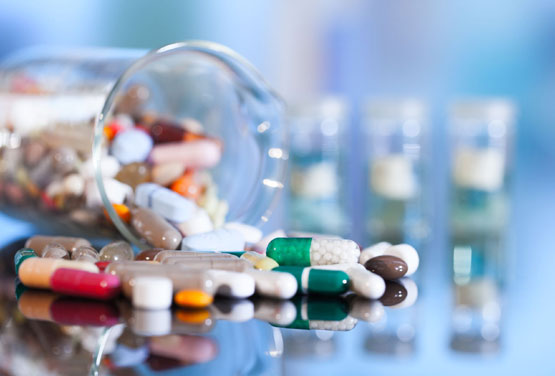
A Diploma in Pharmacy is a two-year professional program designed to train students in pharmaceutical sciences, drug dispensing, medication safety, and pharmacy management.
It focuses more on practical training than research. Students learn how medicines are prepared, stored, distributed, and prescribed responsibly.
Unlike a full bachelor’s degree, this program allows faster entry into the workforce while still meeting regulatory standards set by the Pharmacy Council of India (PCI).
Duration and Academic Structure
The program is structured over:
- 2 academic years
- Practical training or internship (mandatory)
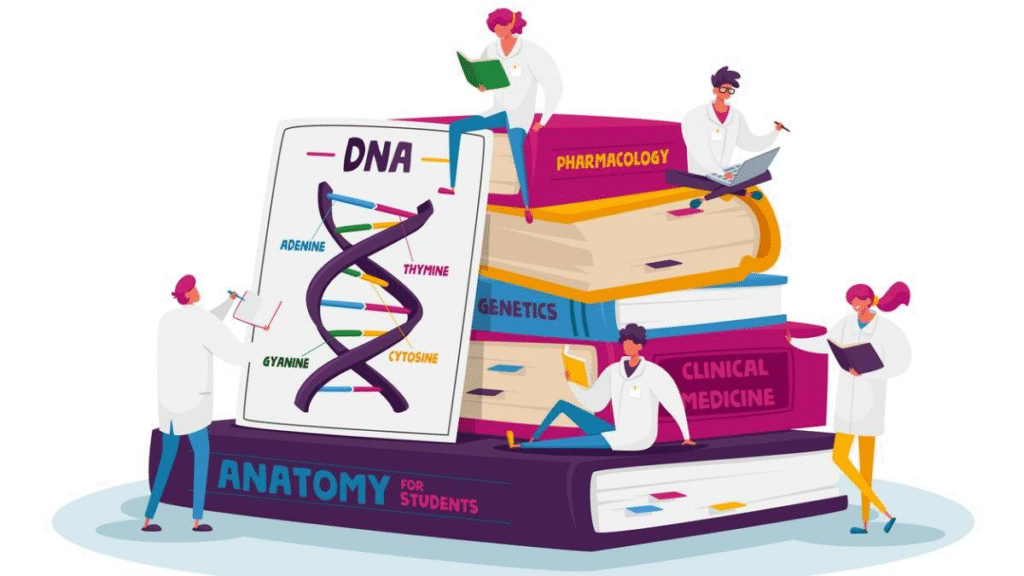
Academic Breakdown
First Year Subjects
- Pharmaceutics
- Pharmaceutical Chemistry
- Human Anatomy & Physiology
- Pharmacognosy
Second Year Subjects
- Pharmacology
- Hospital & Clinical Pharmacy
- Pharmaceutical Jurisprudence
- Drug Store & Business Management
The structure ensures students are prepared for both hospital roles and retail pharmacy environments.
Eligibility Criteria for 2026
To enroll in the D pharma course, candidates must meet the following criteria:
- Passed 12th with Physics and Chemistry
- Biology or Mathematics as a compulsory subject
- Minimum percentage as per state or institute rules
Students from Arts or Commerce backgrounds are not eligible unless they completed science subjects.
Some states conduct entrance exams, while others offer merit-based admission.
Admission Process Explained
Admission generally follows two formats:
1. Merit-Based Selection
Most private colleges and some government institutes admit students based on 12th-grade marks.
2. Entrance Exam-Based
Certain states conduct pharmacy entrance exams for seat allocation.
Documents Required
- 10th and 12th mark sheets
- Transfer certificate
- ID proof
- Passport-size photographs
Always verify admission notices from official bodies such as the Pharmacy Council of India:
https://www.pci.nic.in/
Fee Structure Overview
Fees vary depending on the institution.
| Type of Institution | Approx Annual Fees |
|---|---|
| Government College | ₹20,000 – ₹60,000 |
| Private College | ₹60,000 – ₹1,50,000 |
Additional expenses may include lab charges, uniforms, books, and exam fees.
When evaluating cost, consider return on investment rather than just tuition.
Comparison with a Bachelor’s Degree
| Factor | Diploma Program | Bachelor’s Degree |
|---|---|---|
| Duration | 2 Years | 4 Years |
| Entry into Job | Faster | Slower |
| Cost | Lower | Higher |
| Career Range | Limited to pharmacy roles | Broader (R&D, industry, academics) |
If your goal is quick employment, this diploma makes sense. If long-term research or corporate pharma is your goal, a degree may be better.
Career Opportunities After Completion
After finishing the D pharma course, graduates can pursue:
Retail Pharmacist
Work in medical stores and dispense medications responsibly.
Hospital Pharmacist
Manage prescriptions and drug supply inside healthcare facilities.
Medical Representative
Work with pharmaceutical companies promoting medicines.
Government Pharmacist
Apply for roles in railways, ESIC, and public hospitals.
Pharmacy Business Owner
Open a licensed medical store after registration.
You can also pursue lateral entry into B Pharmacy for advanced opportunities.
For more pharmacy career guidance, visit:
https://shikshainstitute.in/pharmacy-career-guide
Salary Expectations in India
Salary depends on experience, location, and type of employer.
- Fresher: ₹12,000 – ₹25,000 per month
- 3–5 years experience: ₹25,000 – ₹40,000 per month
- Medical store owner: Income varies based on sales volume
Urban areas offer higher salaries but also higher competition.
Skills That Make You Stand Out
Success in pharmacy is not only about passing exams.
You need:
- Accuracy and attention to detail
- Strong communication skills
- Ethical responsibility
- Basic business understanding
- Customer service mindset
The healthcare industry demands accountability and precision.
Industry Demand in 2026
India’s pharmaceutical sector continues to expand due to:
- Growing population
- Increased healthcare awareness
- Expansion of private hospitals
- Rise in chronic diseases
This keeps demand for trained pharmacists steady.
However, competition is increasing. Simply completing the D pharma course is not enough — skill development and experience matter.
Is It a Good Career Choice?
Let’s be honest.
This pathway is good if:
- You want an early job entry
- You prefer practical training
- You plan to open a pharmacy business
It may not be ideal if:
- You aim for pharmaceutical research
- You want corporate leadership roles
- You expect high starting salaries immediately
Your goals should decide your path — not trends.
Is NEET required?
No.
Can I open a pharmacy after completing it?
Yes, after proper licensing.
Is it equal to a bachelor’s degree?
No, it is a diploma-level qualification.
Is it PCI approved?
Yes, if studied in a recognized institution.
Final Thoughts
The D pharma course remains one of the most practical and accessible healthcare career options in India. It offers a balanced mix of theory, hands-on learning, and employability within a short timeframe.
If your objective is stable employment in the healthcare sector without committing four years to a degree, this route provides clarity and direction.
Make your decision based on long-term goals, financial planning, and career ambition — not pressure or assumptions.