
Introduction
Deciding what to study after 12th can feel overwhelming — especially when you want a career that’s meaningful, secure, and future-ready. If you’ve ever wondered how vision specialists are trained, an Optometry course after 12th might just be the perfect path for you. This program prepares you to assess, diagnose, and manage eye health, blending clinical science with real patient care. In this guide by Shiksha Institute, we’ll walk through everything from eligibility and fees to job prospects, giving you a confident first step toward a bright vision care career.
What Is an Optometry Course?
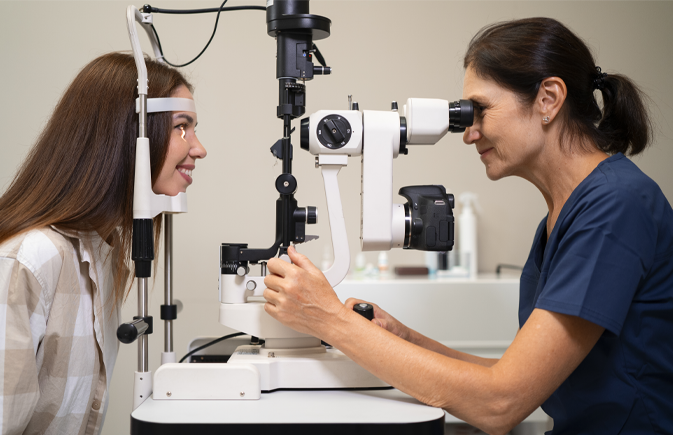
An Optometry course is a healthcare program focused on eye and vision care. Unlike general medicine, this specialized field trains students to perform eye exams, prescribe corrective lenses, detect eye diseases, and manage long-term visual health.
Optometrists are often the first point of contact for patients experiencing vision issues — and with eye problems rising globally, this profession is more relevant than ever.
For global eye health stats, you can check the World Health Organization (WHO) Vision Impairment Factsheet ↗️
Optometry Course After 12th: Eligibility Criteria
To join an Optometry course after 12th, most institutes require:
✔ 10+2 pass with Science stream (Physics, Chemistry, Biology)
✔ Minimum aggregate marks (varies by institute)
✔ Some colleges conduct entrance tests
Types of Optometry Courses After 12th
1. Diploma in Optometry
- Duration: 1–2 years
- Focus: Basic clinical skills, lens dispensing, refraction
- Ideal for: Students seeking quick entry into eye care jobs
- Explore our courses here:
👉https://shikshainstitute.in/ophthalmic-technology/
2. Bachelor of Optometry (B.Optom)
- Duration: 4 years + internship
- Focus: Clinical diagnosis, visual therapy, patient management
- Ideal for: Long-term career with specialization
- Explore our courses here:
👉https://shikshainstitute.in/ophthalmic-technologyot/
3. Certificate Courses
- Duration: 6–12 months
- Focus: Specific skills like spectacle dispensing or vision screening
- Ideal for: Upskilling or part-time entry
- Explore our courses here:
👉https://shikshainstitute.in/ophthalmic-assistant/
Duration & Career Table
| Course Name | Eligibility | Duration | Typical Job Role |
|---|---|---|---|
| Diploma in Optometry | 12th Science | 1–2 yrs | Optometric Assistant |
| B.Optom (Bachelor) | 12th Science | 4 yrs + Internship | Optometrist |
| Certificate in Vision Tech | 10th/12th | 6–12 months | Vision Technician |
Why Choose an Optometry Career? (Human Perspective)
I remember speaking with a student who chose the Optometry course because her father struggled with glaucoma and she saw firsthand how eye care changed his quality of life. This professional didn’t just pick a job — she chose a purpose. That’s what draws many students to this field.
Optometry isn’t just about lenses and charts — it’s patient interaction, diagnostics, preventive care, and community impact.
Career Scope After an Optometry Course
Demand for vision care professionals is growing due to:
📈 Aging population
📈 Increased screen time & digital eye strain
📈 Awareness of early detection
📈 Boom in private eye care centers
Job Roles After Optometry Course
- Optometrist – Performs eye exams and treatments
- Vision Technician – Assists in clinical procedures
- Dispensing Optician – Helps patients choose corrective lenses
- Clinical Assistant – Works in eye clinics & hospitals
- Sales Specialist – In optical retail chains
Top Optometry Colleges (Internal Linking)
At Shiksha Institute, we offer personalized guidance for your Optometry journey. Explore our courses here:
👉 https://shikshainstitute.in
Other renowned options include:
- All India Institute of Medical Sciences (AIIMS) – Optometry Dept
- Elite School of Optometry, Chennai
- L V Prasad Eye Institute
Always check accreditation before enrolling.
Optometry Course Fees (India)
| College Type | Approx. Fee Range |
|---|---|
| Government | ₹50,000 – ₹1,00,000 per year |
| Private | ₹1,00,000 – ₹3,00,000 per year |
Scholarships and education loans are often available — talk to your institute’s counseling team early.
How to Start an Optometry Career After 12th
Step 1 — Choose Stream
📍 Complete 12th with PCB
Step 2 — Decide Course Type
📍 Diploma vs Bachelor (B.Optom)
Step 3 — Apply & Attend Entrance Exams
📍 Prepare the basics of Physics, Chemistry, and Biology
Step 4 — Complete Internship
📍 Real-world hospital/clinic training
Step 5 — Get Certified & Licensed
📍 Pursue national/state optometric boards where applicable
Step 6 — Begin Practice / Join Clinic
📍 Eye hospitals, optical stores, community health setups
Salary Expectations in Optometry
In India, early-career optometrists can expect:
🔹 ₹2.5 – ₹4.5 LPA (entry level)
🔹 ₹5.0 – ₹8.0 LPA (with experience/specialization)
With private practice or specialization in advanced diagnostics, earnings can be significantly higher.
Pros & Cons of an Optometry Career
Pros
✔ Strong job growth
✔ Meaningful patient impact
✔ Flexible career paths
✔ Good earning potential
Cons
✖ Requires good communication skills
✖ Heavy initial study load
✖ Clinical exposure is essential
Optometry Course FAQs
Is science compulsory for an Optometry course after 12th?
✔ Usually yes — especially for B.Optom.
What is the difference between optometry and ophthalmology?
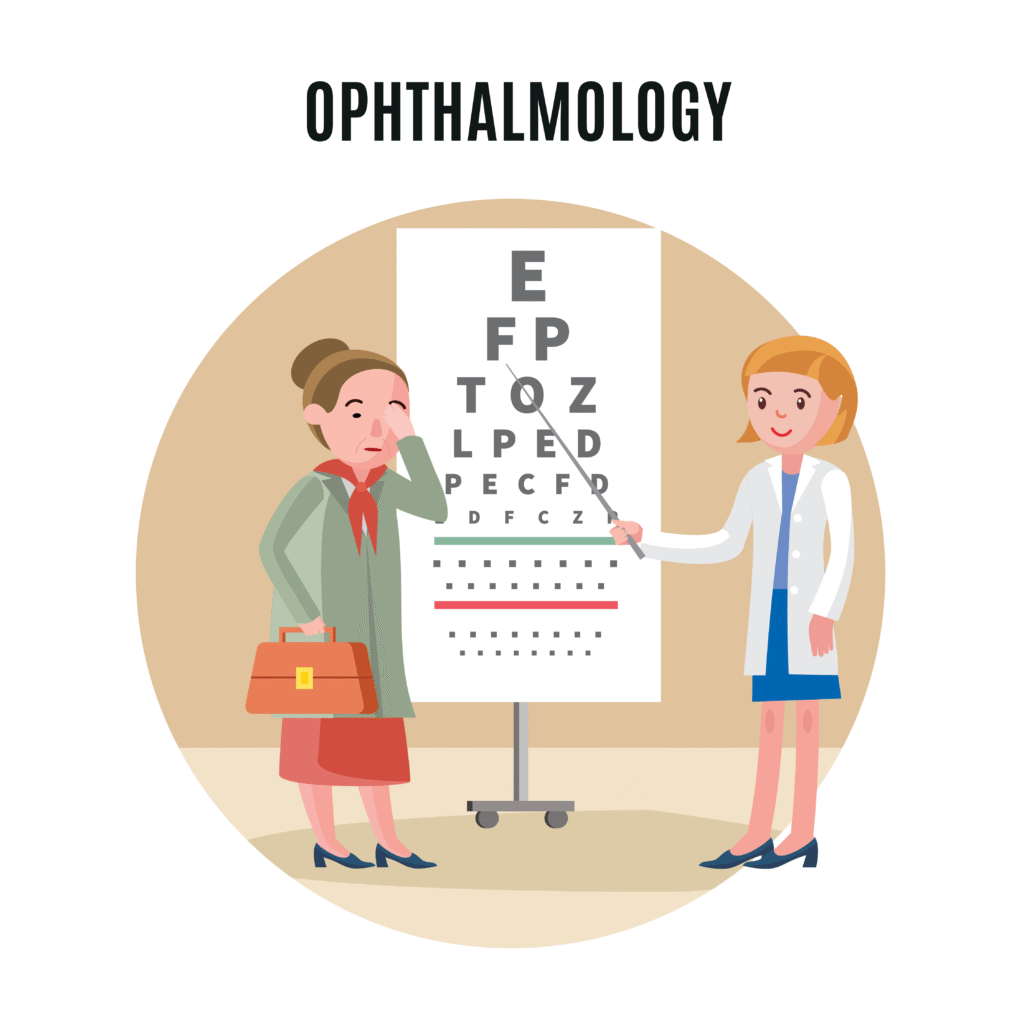
✔ Optometrists focus on vision testing and correction; ophthalmologists are medical doctors performing surgery.
Can I start optometry after diploma?
✔ Yes, many institutes allow lateral entry into B.Optom.
Conclusion
An Optometry course after 12th opens doors to a dynamic, future-proof healthcare career focused on vision and quality of life. Whether you plan to join hospitals, clinics, optical retail, or start your own practice, this field blends science, compassion, and real impact.
If you’re ready to take the next step, explore tailored programs at Shiksha Institute and connect with our counselors to build your roadmap today.