Introduction
Choosing the right career after 12th can feel confusing, especially when you want stability, respect, and growth. This is where nursing diploma courses come in as one of the most practical and in-demand career options in India. The healthcare sector is expanding rapidly, and trained nurses are needed in hospitals, clinics, and even international healthcare systems.
If you’re someone who wants a career that combines service, job security, and decent income, then understanding nursing diploma courses can completely change your direction. This guide breaks down everything—from eligibility to salary—without fluff.
What Are Nursing Diploma Courses?
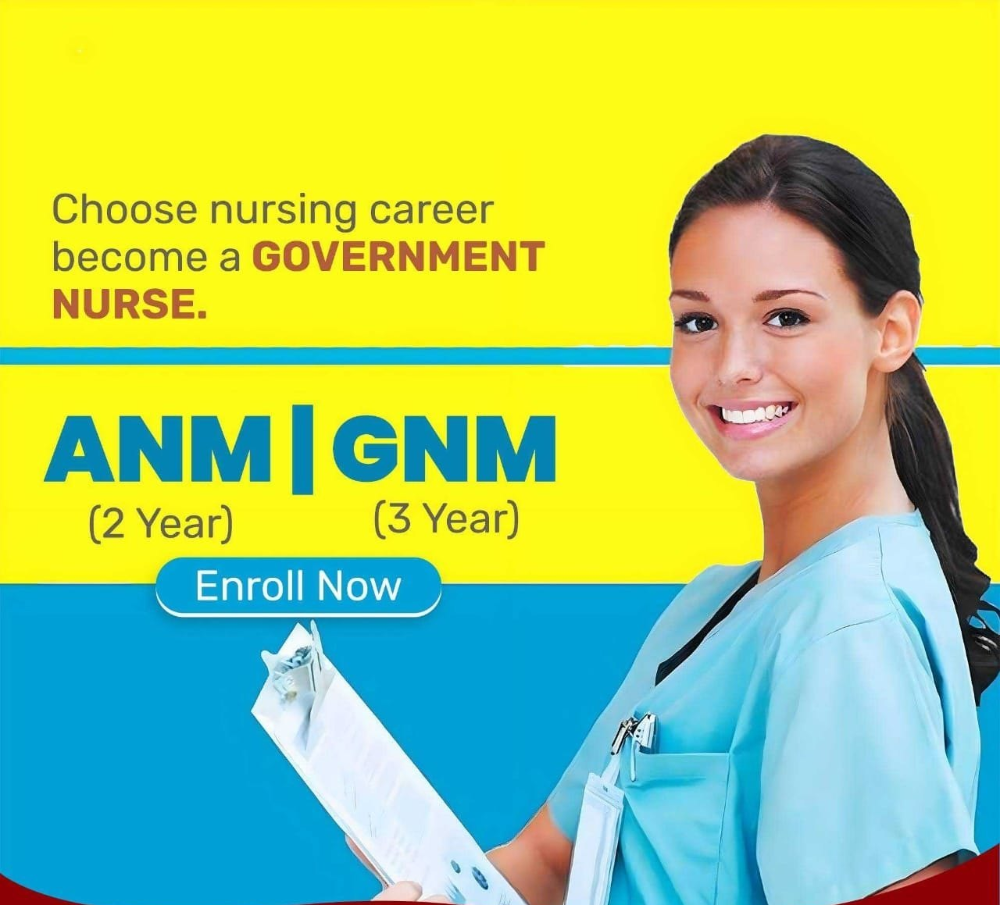
Nursing diploma courses are short to medium-duration programs designed to train students in patient care, medical procedures, and hospital management basics. Unlike degree programs, these are more practical and job-focused.
The most common types include:
- ANM (Auxiliary Nurse Midwifery)
- GNM (General Nursing and Midwifery)
These nursing diploma courses are ideal for students who want to enter the healthcare field quickly without spending 4–5 years in a degree program.
Types of Nursing Diploma Programs in India
1. ANM (Auxiliary Nurse Midwifery)
- Duration: 2 years
- Focus: Basic healthcare, maternity care, rural health services
- Eligibility: 10+2 (any stream)
This is one of the entry-level nursing diploma courses, mainly suited for those who want to work in rural or community healthcare setups.
2. GNM (General Nursing and Midwifery)
- Duration: 3–3.5 years
- Focus: Clinical nursing, patient care, hospital training
- Eligibility: 10+2 with Science (preferably PCB)
GNM is more advanced and widely preferred among nursing diploma courses because it opens better job opportunities in hospitals.
Eligibility Criteria
Before applying, you need to meet basic requirements:
- Must have passed 10+2 from a recognized board
- Minimum marks: 40–50% (varies by institute)
- Science stream preferred (for GNM)
- Age limit: 17–35 years
Many institutes offering nursing diploma courses also conduct entrance tests or interviews.
Admission Process
Here’s how it typically works:
- Fill out the application form (online/offline)
- Submit required documents
- Entrance exam or merit-based selection
- Counseling and seat allotment
Some private institutes offering nursing diploma courses provide direct admission, but be careful—don’t compromise on quality just for convenience.
Course Curriculum
The curriculum focuses heavily on practical skills. Subjects usually include:
- Anatomy & Physiology
- Nutrition
- Community Health Nursing
- Medical-Surgical Nursing
- Child Health Nursing
The best part about nursing diploma courses is that they include hospital training, so you’re not just learning theory—you’re actually working in real healthcare environments.
Course Fees
Fees vary depending on the institute:
- Government colleges: ₹10,000 – ₹50,000 per year
- Private colleges: ₹50,000 – ₹2,00,000 per year
Don’t fall into the trap of assuming higher fees = better education. Many affordable institutes offering nursing diploma courses provide excellent training.
Career Opportunities After Completion
Let’s be real—this is what actually matters.
After completing nursing diploma courses, you can work as:
- Staff Nurse
- Community Health Worker
- ICU Nurse
- Home Care Nurse
- Clinic Assistant
Healthcare is recession-proof. Unlike other industries, jobs in this field don’t disappear overnight.
Salary Expectations
Starting salaries may not be huge, but growth is steady:
- Freshers: ₹12,000 – ₹25,000/month
- 2–5 years experience: ₹25,000 – ₹50,000/month
- Abroad opportunities: ₹1 lakh+ per month
If you upgrade your skills after completing nursing diploma courses, your earning potential increases significantly.
Higher Education Options
You don’t have to stop at a diploma.
After completing nursing diploma courses, you can go for:
- B.Sc Nursing (via bridge programs)
- Post Basic Nursing
- Specialized certifications (ICU, Pediatric, etc.)
This is where most people miss out—they stop early and then complain about low salary.
Skills Required for Success
Let’s not sugarcoat this—nursing is not for everyone.
To succeed after nursing diploma courses, you need:
- Patience
- Emotional strength
- Communication skills
- Attention to detail
- Physical stamina
If you’re just chasing money, this is not your field. But if you’re serious, it can be one of the most stable careers.
Why Nursing Is a Smart Career Choice in 2026
Healthcare demand is exploding, especially after COVID.
Here’s the reality:
- Hospitals are expanding
- Private healthcare is booming
- International demand is rising
This means nursing diploma courses are not just relevant—they’re strategic.
Common Mistakes Students Make
Let me be blunt—most students mess this up.
- Choosing low-quality institutes
- Ignoring practical training
- Not planning long-term (degree upgrade)
- Expecting high salary immediately
If you’re investing in nursing diploma courses, treat it like a long-term career, not a shortcut.
How to Choose the Right Institute
Don’t blindly pick the nearest college.
Check:
- Hospital tie-ups
- Internship opportunities
- Faculty experience
- Placement support
A good institute offering nursing diploma courses can literally change your career trajectory.
What are nursing diploma courses?
Nursing diploma courses are short-term healthcare programs that train students in patient care, medical procedures, and hospital practices. The most common options include ANM and GNM, which prepare students for entry-level nursing roles.
What is the duration of nursing diploma courses?
The duration depends on the program. ANM typically takes 2 years, while GNM takes around 3 to 3.5 years, including practical training in hospitals.
What is the salary after completing nursing diploma courses?
Freshers can expect a starting salary between ₹12,000 to ₹25,000 per month. With experience and skill development, salaries can increase significantly, especially in private hospitals or international placements.
Conclusion
Nursing diploma courses are one of the most practical and future-proof career options after 12th in India. They offer a fast entry into the healthcare sector, strong job security, and opportunities for growth both in India and abroad.
But here’s the truth—you only benefit if you take it seriously. The course itself won’t guarantee success. Your effort, skill development, and smart decisions will.
If you want stability, respect, and a career that actually matters, this path is worth considering.